


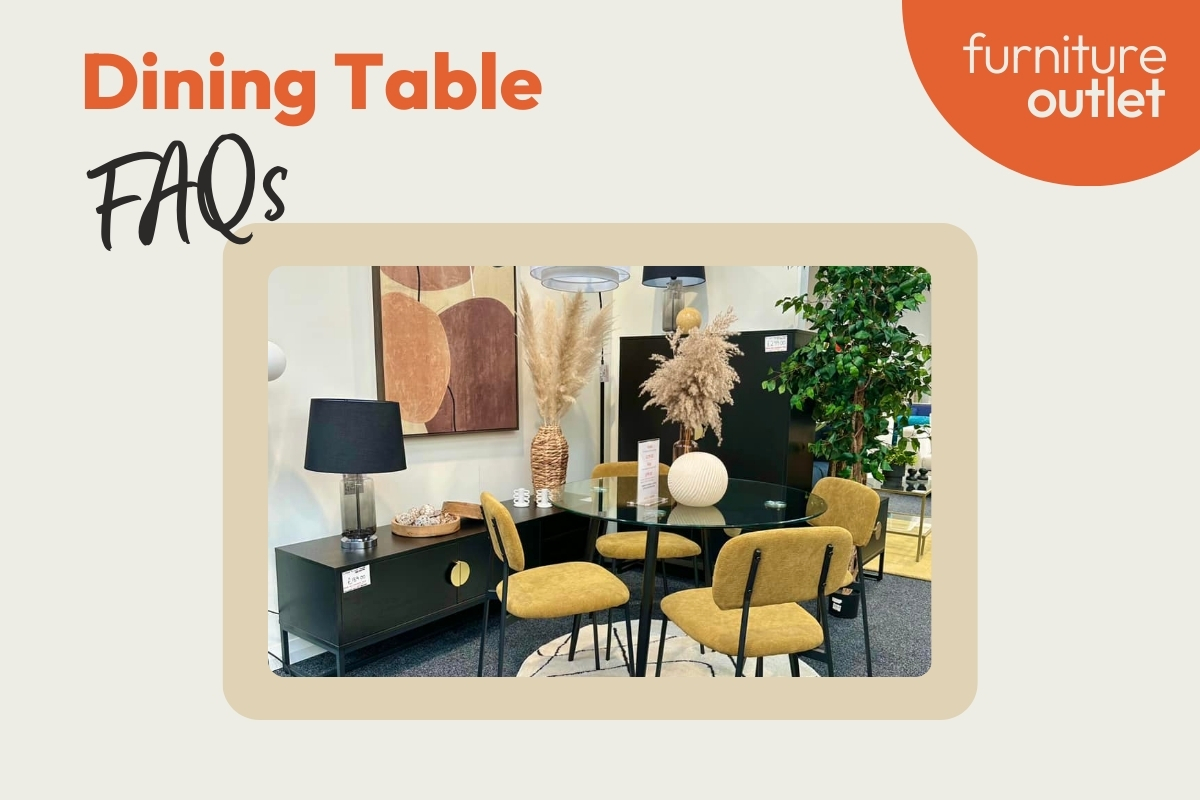
A round dining table is generally the superior choice for small rooms because the lack of sharp corners creates better flow and maximizes usable floor space in tight quarters. Round designs eliminate the rigid perimeter of a rectangular alternative, allowing for more flexible seating and easier navigation through narrow walkways. While a rectangular table can be pushed flush against a wall to save space when not in use, its fixed edges often dictate a restrictive room layout that hampers movement once chairs are pulled out. By contrast, the central pedestal base found on many round models provides more legroom and enables you to tuck chairs further under the tabletop. This circular geometry softens the visual impact of furniture in a compact area, making the room feel less cluttered while comfortably accommodating four to six diners without the boxy physical footprint of a traditional long table.
What This Means In Practice:
In a restricted floor plan, the difference between these shapes is felt most when you move around the table rather than when you sit at it. A rectangular table creates dead zones in corners where the sharp angles meet the walls or other furniture, often requiring a wider clearance of at least 90cm to prevent people from bumping into the edges. A round table behaves differently by tapering away from the walking path, which is a significant trade-off as you lose some surface area for serving platters in exchange for a fluid thoroughfare. You will notice this most when carrying a hot tray from the kitchen, as the curved edge allows you to pivot smoothly past a seated guest without snagging your clothes on a corner.
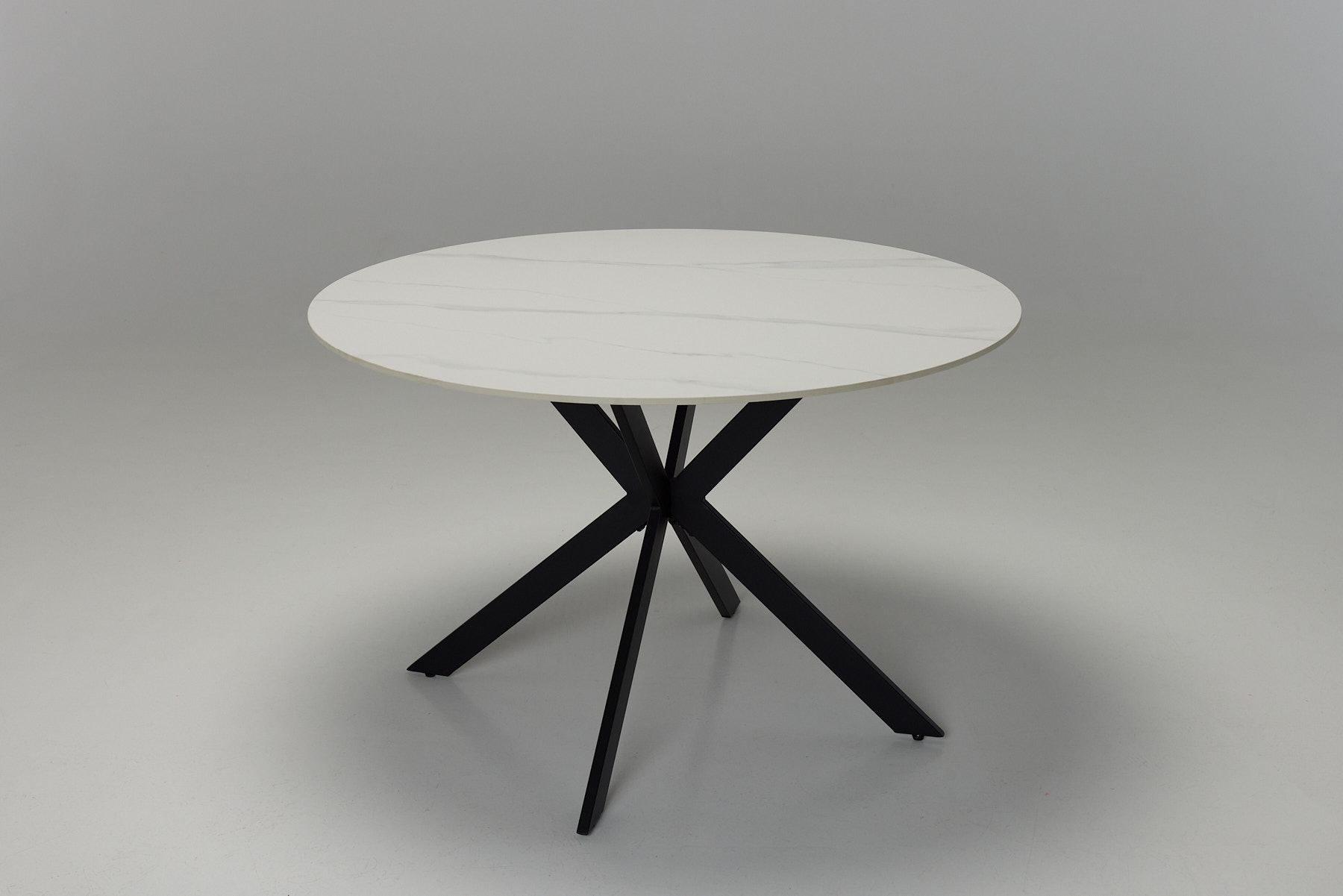
This round dining table from the Tino range is a good example. Its 1.2m Lincoln White stone top sits on a central black metal pedestal, removing the four corner legs that usually block movement in small rooms. The circular footprint keeps walkways open from every side and gives everyone clear legroom. It solves the common issue of tight corners and obstructed paths while bringing a bright, modern look that helps a compact dining area feel more open.
Quick Facts:
• Round tables allow for odd numbers of guests without anyone feeling isolated at a head position.
• A standard 120cm round table comfortably seats four people while maintaining a compact footprint.
• Rectangular tables offer a flat edge that can double as a temporary desk or sideboard against a wall.
• Pedestal bases on round tables eliminate the four corner legs that often clash with guests’ knees.
• You should allow a minimum of 60cm of width per person to avoid elbow clashes during a meal.
• Rectangular tables are prone to corner-wear in high-traffic areas where people frequently brush past.
Who This Is Best For:
Round tables are ideal for those living in apartments where the dining area is a shared thoroughfare between the kitchen and the lounge. If your daily routine involves squeezing past the table to reach a balcony door or a radiator, the curved profile prevents a constant obstacle course. Rectangular tables suit households that prioritise multi-functional spaces, such as using the dining surface for laptop work during the day. For those who frequently host dinner parties in a small square room, the circular layout encourages a more social atmosphere where every guest can see one another without leaning across the person next to them.
Pros and Cons:
Pros
• Round tables create a central focal point that draws the eye away from cramped walls.
• Rectangular shapes provide more surface area for shared family style serving dishes.
Cons
• Round tables cannot be extended by pushing them against another piece of furniture.
• Rectangular tables require precise alignment with the room’s architecture to avoid looking crooked or haphazard.
What To Consider Before Buying:
The most common misconception is that a rectangular table saves more space because it sits against a wall. While this is true for storage, it fails during use because you cannot sit at the side touching the wall, effectively halving your seating capacity. You must also measure the pull-out distance of your chairs. Ensure there is enough clearance to fully exit the seat without hitting a sideboard or fireplace hearth, as a round table usually requires a 2.5-metre total diameter of clear space to function effectively.
Buying Checklist:
• Measure the narrowest point of your hallway to ensure the tabletop can pass through horizontally.
• Check the clearance between the table edge and the nearest radiator or door swing.
• Verify if the table legs or pedestal are removable for easier delivery into flat-pack-friendly spaces.
• Confirm that your existing dining chairs will slide fully under the table to clear the floor when not in use.
Round Dining Table Buying Guide →
Common Mistakes To Avoid:
• Buying a rectangular table that is too long, which forces guests to shimmy sideways against the wall to reach their seats.
• Overestimating the capacity of a small round table by trying to squeeze six chairs around a 100cm surface.
• Choosing a table with bulky peripheral legs that prevent chairs from being tucked in neatly.
• Forgetting to account for the walk-zone around the table, leading to a room that feels claustrophobic rather than cosy.
Expert Advice By Furniture Outlet’s Interior Stylists Jo & Liz:
“To make a small room feel expansive, we always recommend choosing a round table with a glass top to keep the sightlines clear. A vital rule is to maintain at least 75cm between the table edge and any wall to allow for a natural exit from the chair. In tight square rooms, centering a round table under a statement pendant light creates a zone that makes the furniture feel intentional rather than cramped. If you must go rectangular, choose a slim profile and use a bench on one side that can slide completely underneath the frame to open up the floor when you aren’t eating.”
Care Note:
Dust often settles more visibly on the curved bevelled edges of round tables, so a weekly wipe with a soft microfibre cloth is essential. Always use heat-resistant mats, as steam from plates can cause rings that are harder to disguise on circular grains. Avoid dragging the table across the floor to reposition it, as this can loosen the central bolt of a pedestal base over time.
Shop Dining Tables:
Why Buy Your Dining Table at Furniture Outlet
A dining table is one of those pieces that has to work hard in a small room, and we choose designs that make that balance feel effortless. Every table in our collection is picked for the way it opens up space, keeps movement easy and stands up to daily use without feeling heavy in the room. Whether you prefer a compact round top or a slim rectangular profile, each piece is built with thoughtful proportions and finishes that sit comfortably in modern homes. It’s practical design without the fuss, and it helps your dining area feel calm, considered and ready for everyday living.
Try Before You Buy
Seeing a dining table in person makes it easier to understand how the proportions feel and how the finish sits in natural light. You’re welcome to visit any of our London & Essex furniture showrooms to get a sense of the size, surface texture and leg spacing before you decide. It’s a simple way to check that the table works with the chairs you have in mind and that it feels comfortable for everyday use. Our team can walk you through the options and help you compare shapes and materials so you leave knowing exactly what will suit your room.
Browse our dining tables online now to see round, rectangular and extendable designs that work naturally in smaller rooms.
Related Dining Table FAQs:
Follow us on Instagram or TikTok for the latest products, special offers & styling tips.
Do You Need More Help?
If you have any questions or tips regarding dining tables, please leave a comment in the section below.


Leave A Comment