


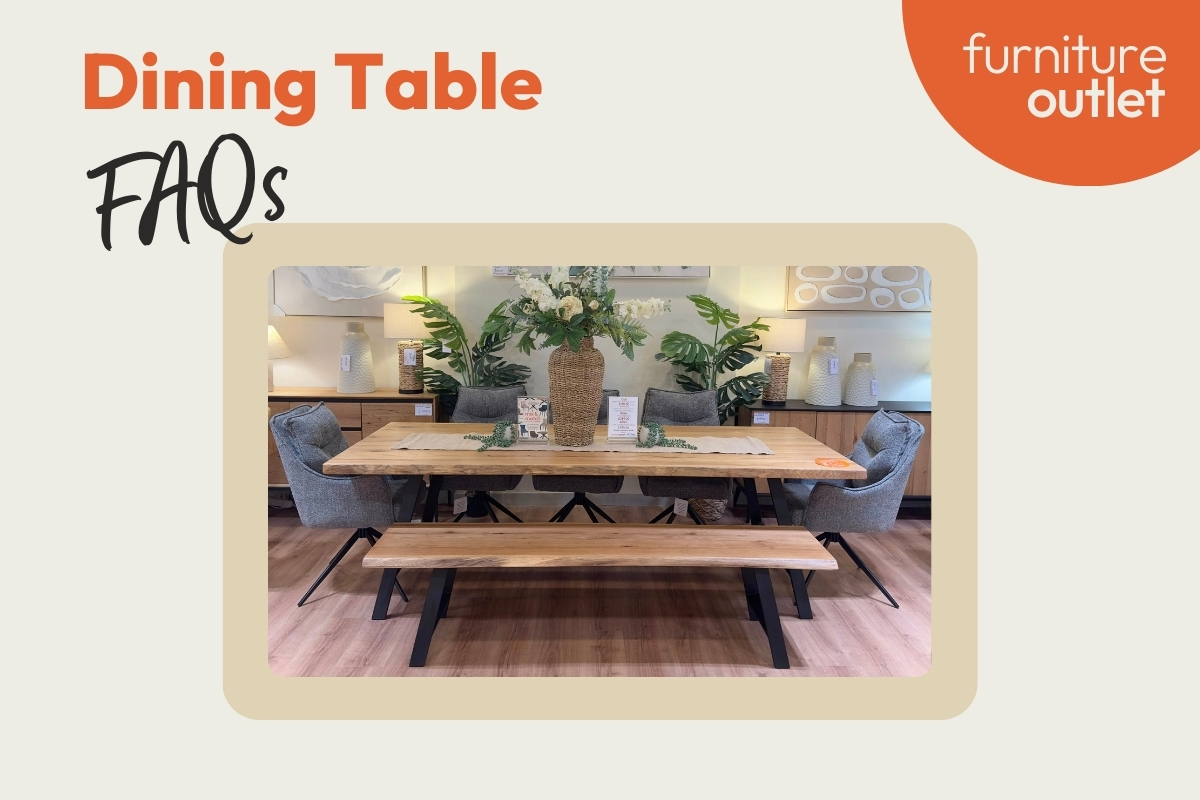
The amount of space you should leave around a dining table depends on the clearance required for chairs to be pulled out and for people to walk behind seated guests comfortably. A universal rule of thumb is to maintain a minimum of 90cm of open floor space between the table edge and the nearest wall or piece of furniture. This measurement allows a diner to stand up and exit their seat without the chair legs catching on a rug edge or hitting the skirting board. For high-traffic areas where a primary walkway passes through the dining zone, increasing this gap to 120cm ensures that someone can walk past with a tray without a seated person having to tuck their chair in. Failing to account for this push-back zone often results in a cramped room where guests feel physically trapped once the meal begins.
What This Means In Practice:
While a dining table might physically fit into a smaller nook, the room only functions correctly when there is enough swing space for the chairs to move. You will notice the importance of this clearance when a guest at the far end of the table needs to leave their seat. If the gap is too narrow, every person on that side must shuffle forward to create a path. A micro-visual cue of a well-spaced room is the ability to fully extend your arms while seated without your elbows nearing the wall or an adjacent sideboard.
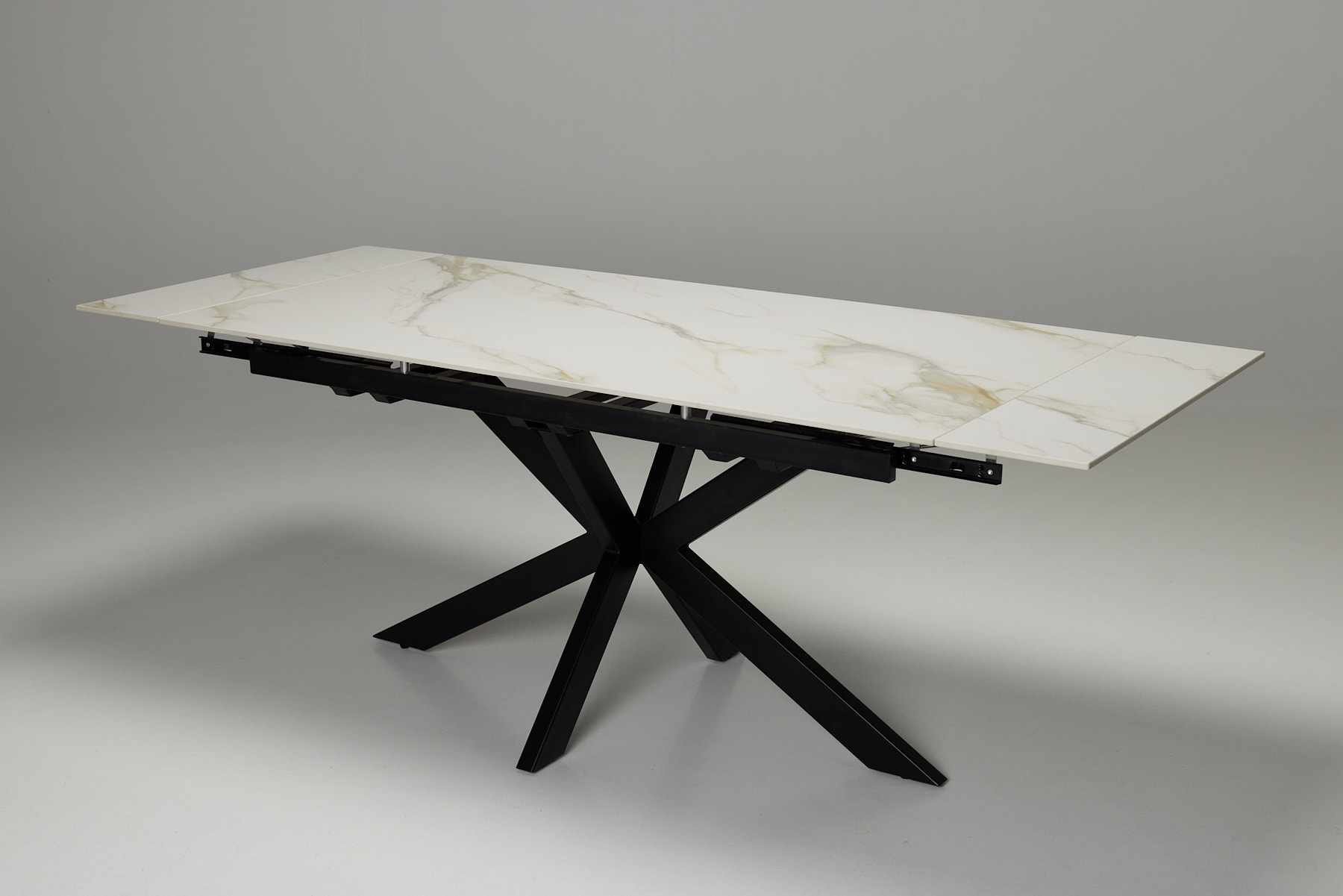
This Calacatta Gold stone top table from the Siena collection shows how structure changes the feel of the room. The pedestal base keeps the floor area open which helps chairs move freely without catching on corner legs. At 1.7 metres the table sits comfortably for everyday meals and then extends to 2.2 metres when you need more room which means the walkway stays open even when hosting. This balance of shape and movement works well in busy homes because the table stays central and the room feels calm rather than crowded.
Quick Facts:
• Maintain 90cm of clearance for standard chair movement and 120cm if the area serves as a main thoroughfare.
• Pedestal table bases allow for more flexible chair positioning as there are no outer legs to restrict the tuck-in depth.
• Rugs should extend at least 60cm beyond the table edge so chair legs do not drop off the side when pulled out.
• Round dining tables require less total square footage for walkways because the curved edges taper away from the path of travel.
• Allow 60cm of table width per person to prevent diners from clashing elbows during the meal.
• Check the push-back distance against a radiator. Heat can damage chair upholstery if they are constantly pushed against it.
Who This Is Best For:
Spacing is essential for the homeowner moving into a modern open-plan apartment where the dining zone sits directly between the kitchen island and the sofa. If your daily routine involves carrying hot plates from the stove to the table, having a clear 120cm walkway prevents the awkward sideways shuffle past a seated family member. You can tell a room is correctly proportioned when you can see a clear border of flooring around the entire dining set, even when the chairs are in use. It is particularly vital for those who host large Sunday roasts, ensuring that the person serving does not have to squeeze between the wall and the back of a guest’s chair.
Pros and Cons:
Pros
• Proper clearance prevents chair backs from scuffing the paintwork or damaging wallpaper over time.
• Open walkways create a better visual flow, making the furniture look like a curated choice rather than an afterthought.
Cons
• Strictly following the 90cm rule may limit you to a smaller dining table than you initially desired in a narrow terrace house.
• Larger clearance zones require more frequent floor cleaning as more of the under-table area is visible to guests.
What To Consider Before Buying:
The idea that a rectangular table saves space because it can sit against a wall is one of the easiest traps to fall into. It works for storage but not for real meals because no one can sit on the side that touches the wall which instantly cuts your seating in half. The room also needs enough space for chairs to pull out comfortably. You should be able to step out of the seat in one smooth movement without catching a sideboard or brushing a fireplace hearth. A round table often needs a full 2.5 metres of clear diameter to feel effortless in daily use which gives everyone room to move around the curve without feeling boxed in.
Buying Checklist:
• Measure the path to room including the narrowest part of your hallway and any 90-degree turns that could block a large tabletop.
• Confirm that the dining table height allows your existing chair armrests to slide underneath to save space.
• Check for floor vents or radiators that might be blocked or obstructed by the table’s footprint.
• Verify that you have at least 90cm of clearance between the table and any sideboard or dresser.
Extendable Dining Table Buying Guide →
Common Mistakes To Avoid:
• Forgetting to measure the push-back distance, resulting in chairs that constantly bang into the skirting board.
• Buying a rug that is too small, causing the back legs of the chairs to catch on the edge every time a guest stands up.
• Overestimating the space in an open-plan room and blocking the primary route to the kitchen or garden doors.
• Choosing a dining table size based on the empty room without accounting for the physical bulk of chairs.
Expert Advice By Furniture Outlet’s Interior Stylists Jo & Liz:
“The biggest layout error we see is people choosing a rectangular table for a square room, which creates awkward, pinched walkways at the corners. To avoid this, always aim for a 90cm border of dead space around your table. This is the designer-level secret to making a dining area feel expensive and airy rather than cluttered. If you are tight on space, use a bench on the side closest to the wall, as it can be tucked entirely under the table when not in use. Always remember that people do not just sit at a table. They pivot, lean back and walk around it, so plan for movement, not just for the furniture’s static dimensions.”
Care Note:
To maintain your dining area, perform a weekly sweep under the table where dust and crumbs tend to collect around the base or legs. Check the floor protectors on the bottom of your chairs every few months to ensure they have not worn down, as grit trapped under a chair leg can quickly scratch a hardwood floor. A quick wipe of the table’s underside edge will remove the sticky fingerprints that often gather where guests pull their chairs in.
Shop Dining Tables:
Why Buy Your Dining Table at Furniture Outlet
Selecting a dining table is as much about the space it creates as the surface itself. We curate our collection to include smart, space-saving designs like pedestal bases and slim-profile frames that maximise your floor flow without sacrificing seating capacity. Whether you need a durable stone top for a busy family kitchen or an extendable wooden design for hosting, our tables are built to handle daily life while maintaining a premium look that transforms your dining zone.
Try Before You Buy
You can see and test the dining tables in person at any of our London & Essex retail showrooms. Standing around the table helps you feel how the shape settles into a room and how the structure supports everyday movement. You can compare sizes side by side which makes it easier to picture how each one will sit in your home. It is the simplest way to understand the table’s presence, the space it needs and the comfort it brings to the room.
Explore our online range of contemporary and traditional dining tables now to find the perfect fit for your room’s dimensions.
Related Dining Table FAQs:
Follow us on Instagram or TikTok for the latest products, special offers & styling tips.
Do You Need More Help?
If you have any questions or tips regarding dining tables, please leave a comment in the section below.



Leave A Comment